Selecting Superior Breast Enhancement Providers: What to Evaluate and Topics to Pose
When thinking about breast augmentation, identifying the appropriate surgeon is essential. A accredited surgeon with a solid track record can make a considerable difference. Patients should also assess implant options and understand the implications of each selection. Considerations regarding healing, potential complications, and facility standards are important. As the experience unfolds, recognizing these factors will guide decisions. But what particular qualities and inquiries should one focus on to assure a acceptable outcome?
Critical Skills for Your Medical Professional
When evaluating breast augmentation, the see guide surgeon's credentials play a vital role in ensuring safety and achieving desired results. It is important to confirm that the surgeon is board-certified in plastic surgery, as this demonstrates a thorough training process and adherence to high standards. Additionally, expertise in performing breast augmentation procedures specifically is fundamental; a surgeon with an strong portfolio of successful procedures will likely have honed their skills effectively.
Furthermore, reviewing the physician's clinical associations can reveal the level of service delivered, as licensed centers enforce demanding safety protocols. Patient accounts and reviews can further highlight a surgeon's trustworthiness and patient interaction style. In the end, strong dialogue during meetings is crucial; a experienced practitioner should be ready to handle issues, deliver comprehensive information, and outline attainable targets. In total, these qualities build a robust foundation for making an thoughtful selection about breast augmentation.
Finding the Most Suitable Breast Implants Customized for You
size and contour is critical to achieving your desired aesthetic results. Thoughtful analysis of these factors may greatly influence your contentment with the outcome.
A Comprehensive Guide to Implant Varieties
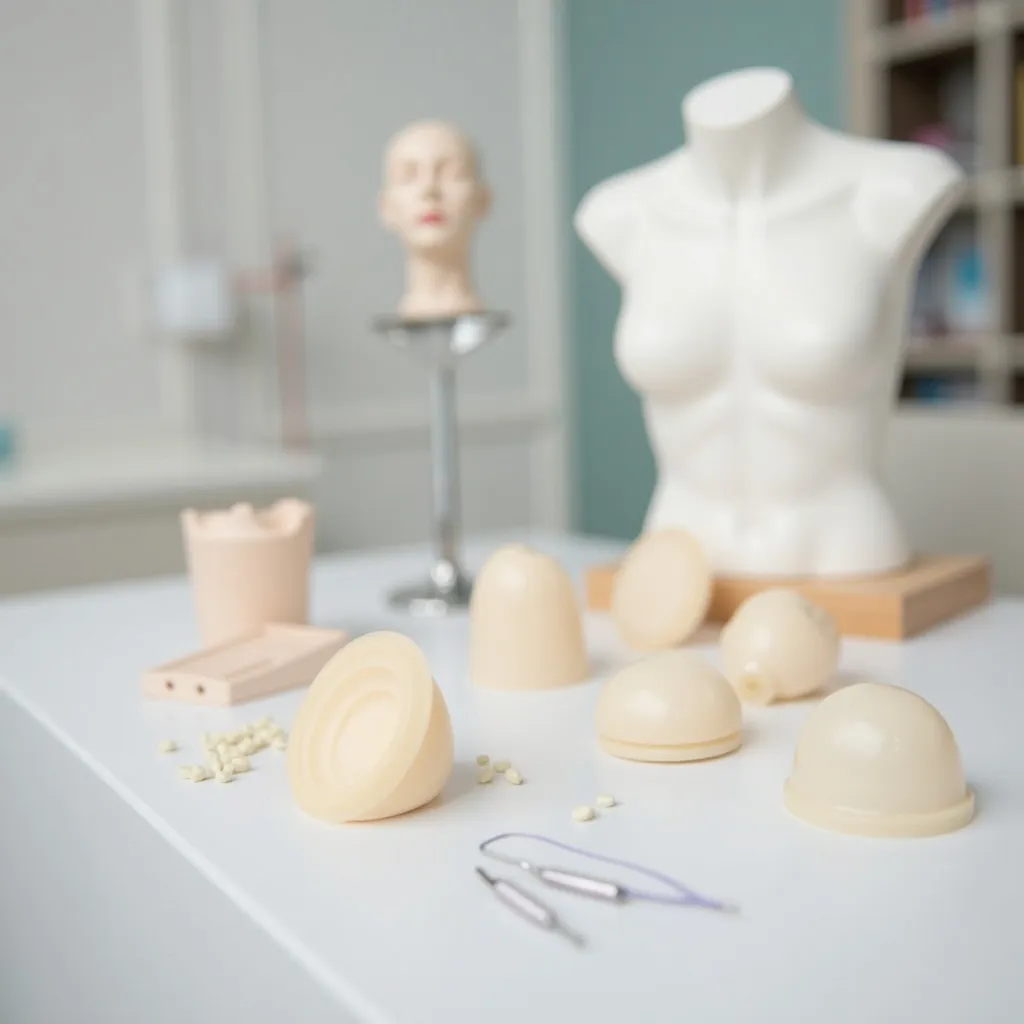
Choosing the proper breast implants is an critical step to realizing the look desired. There are mainly two variants of breast implants: saline and silicone. Saline implants have a silicone casing filled with sterile saltwater. They can be tweaked for volume during surgery and often need smaller incisions. Silicone implants, meanwhile, are pre-filled with a cohesive gel that copies the feel of real breast tissue. This choice generally provides a more realistic look but cannot be adjusted after surgery. In addition, there are variations like rough and smooth finishes, which can influence both aesthetics and the risk of complications. Knowing these distinctions is important for people to make well-informed decisions about their breast augmentation journey.
Scale and Structure Considerations
Knowing the classes of breast implants builds the foundation for making informed choices about size and shape. Patients should reflect on their body proportions, lifestyle, and personal preferences when selecting implants. Breast implants come in different sizes, typically measured in cubic centimeters (cc), and shapes, including round and teardrop. Round implants often provide a fuller upper pole, while teardrop implants simulate natural breast contours. Also, projection levels—low, moderate, or high—can affect the final appearance. Consulting with a qualified surgeon is essential, as they can offer guidance based on individual anatomy and desired outcomes. Ultimately, the objective is to achieve a balanced look that enhances self-confidence and aligns with personal aesthetic preferences.
Common Procedures for Breast Enlargement
Breast augmentation applies multiple techniques to increase breast contour and dimensions, addressing individual desires and anatomical considerations. The most frequent methods include the use of silicone or saline implants. Silicone implants are popular for their natural appearance and feel, while saline implants offer a more adaptable option during surgery. Another technique involves fat transfer, where fat is harvested from other body areas and inserted into the breasts, supplying a more modest enhancement without artificial materials.
Surgeons may affix implants either above or below the muscle, based on the patient's body type and desired outcome. Additionally, surgical approaches differ, with choices such as inframammary, periareolar, or transaxillary incisions, each delivering distinct advantages and disadvantages. Ultimately, the determination of technique should correspond with the individual's aspirations and the surgeon's expertise, maintaining a bespoke approach to breast augmentation.
Examining Facility Safety and Sanitation
When assessing breast augmentation, the cleanliness and safety standards of the facility are crucial in securing a successful outcome. A reputable clinic should comply with strict hygiene protocols, including routine disinfection of surgical areas and equipment. Examining the facility for overall sanitation can give perspective into its procedural quality.
Accreditation by established medical organizations is an additional key sign of safety. Facilities that meet these standards are generally subject to frequent assessments, guaranteeing compliance with safety regulations.
Additionally, it is vital to review the staff's adherence to sanitation practices, such as the use of gloves and sterile instruments. The configuration of the establishment should also enable patient safety, with distinctly marked emergency exits and well-arranged recovery areas. Ultimately, a clean and safe environment fosters confidence in the surgical process and maximizes the likelihood of a positive experience.

Key Inquiries to Ask in Your Consultation?
What fundamental queries should one pose during a consultation for breast augmentation? Interested patients should begin by asking about the surgeon's qualifications and experience specific to breast procedures. Understanding the categories of implants available and their variations is critical, as well as the recommended surgical techniques for their individual objectives. Patients should inquire about probable risks and complications linked with the surgery, including recovery time and post-operative care. Discussing the expected outcomes and how long the results usually last is also significant. Moreover, it is essential to ask about the facility's accreditation and safety protocols. Potential patients might also request clarification on costs, payment options, and whether subsequent appointments are included in the overall package. Finally, understanding the surgeon's revision policy can deliver peace of mind regarding future adjustments. These questions set the groundwork for informed choices and a positive surgical experience.
Evaluating Patient Reviews and Before and After Photos
How can potential clients effectively assess the quality of breast augmentation procedures? Evaluating patient testimonials and before-and-after photos is crucial in this undertaking. Testimonials provide insight into the accounts of previous patients, emphasizing aspects such as surgical results, recovery periods, and overall satisfaction. Prospective patients should look for detailed accounts that discuss both positive and negative feedback, as these offer a more comprehensive perspective.
Before-and-after photos are equally important, providing evidential proof of a surgeon’s proficiency and visual outcomes. Patients should request images that portray various body types and implant sizes to evaluate the potential results for their own bodies. It is necessary to ensure that these photos are authentic and not overly altered. By meticulously reviewing testimonials and before-and-after images, patients can make informed decisions about the quality of breast augmentation services offered by different providers.
Often Asked Questions
How Much Time Does the Recovery Process Take After Breast Augmentation Surgery?
The healing timeline after breast augmentation surgery typically takes six to eight weeks. During this period, patients may experience swelling and pain, slowly progressing to normal activities as healing progresses and physical limitations are lifted.
What Are the Possible Risks and Complications of the Procedure?
Risks and complications of breast augmentation can involve infection, scarring, implant rupture, changes in nipple sensation, and capsular contracture. Being knowledgeable about these potential issues is imperative for informed decision-making before pursuing the procedure.
Does My Insurance Pay For Breast Augmentation Expenses?
Insurance typically does not pay for breast augmentation costs unless classified medically necessary, such as post-mastectomy reconstruction. Patients should reach out to their insurance provider to comprehend specific coverage details and any potential out-of-pocket expenses involved.
Is it Possible to Nurse After Having Breast Augmentation?
After completing breast augmentation, many women can still nurse successfully. However, individual experiences may differ based on surgical technique and personal anatomy. Speaking to a experienced surgeon is crucial for personalized advice concerning breastfeeding post-procedure.
How Often Should I Get Follow-Up Appointments Post-Surgery?
Typically, subsequent appointments post-surgery are arranged at one week, one month, three months, and then annually. These visits guarantee proper healing, monitor implant condition, and handle any concerns or complications that may arise.