Is a Home Paternity Test the Right Choice for You? Benefits and Drawbacks
The choice to utilize a home paternity test is complex. It offers convenience and privacy, appealing to those seeking quick answers. Still, the likelihood of inaccuracies and emotional repercussions can create further complications. Moreover, such tests hold no legal standing, prompting concerns regarding their validity. Recognizing these elements is critically important. What would be the wisest approach for people navigating these difficult circumstances?
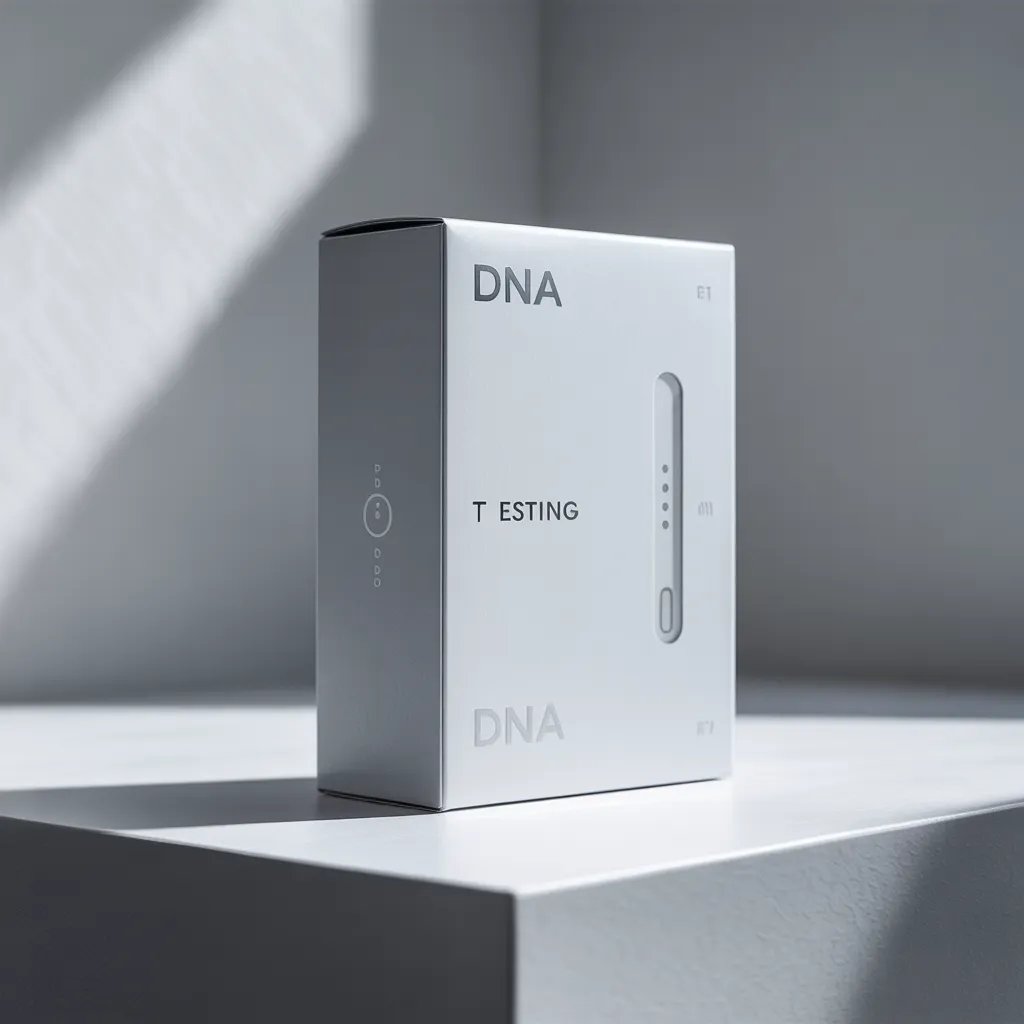
Understanding How Home Paternity Tests Work
At-home paternity tests streamline the method of identifying genetic connections through a simple approach. Generally, these tests require gathering DNA specimens from the individuals involved, commonly via cheek swabs. Participants adhere to the included guidelines to guarantee correct sample gathering and processing. When the specimens have been obtained, they are forwarded to a certified lab for analysis.
At the testing facility, DNA is isolated and analyzed to assess genetic similarities. The testing process employs sophisticated technology to pinpoint markers that suggest a genetic connection. Outcomes are generally provided within a short timeframe, providing clarity to people searching for confirmation of parenthood.
Whereas home paternity tests deliver ease of use and privacy, it is essential for people to recognize that these tests are intended for informational purposes and may not hold legal standing. People seeking documented findings for legal matters may need to pursue accredited testing through certified facilities.
The Benefits of Home Paternity Testing
Why consider a home-based paternity test? Most people are drawn to the ease and discretion that these tests offer. At-home paternity testing supports confidential sample gathering, generally including straightforward cheek swabs, which are able to be conducted without requiring a healthcare professional. This ease of access simplifies the process for people to get findings at a comfortable pace and in a familiar environment.
Furthermore, home tests are generally more budget-friendly than laboratory tests, making them an appealing option for those looking to save money. The processing time for results is typically faster, often providing answers within days.
Moreover, such tests can ease emotional distress by offering clarity about paternity, which can be essential for both personal relationships and legal situations. Overall, home paternity tests provide a convenient solution for individuals in search of answers without the difficulties associated with formal testing procedures.
The Pitfalls of Home-Based Paternity Testing
While the convenience of home paternity testing is appealing, important risks must be carefully considered. A primary concern involves the reliability of test results. Home tests may not always adhere to the same rigorous standards as laboratory tests, leading to false positives or negatives. Furthermore, incorrect sample gathering can undermine the accuracy of the findings, since contamination or poor handling practices may distort the outcomes.
Another concern relates to data privacy and security. A large number of home testing kits necessitate the submission of personal information, that could be at risk of security breaches or misuse. Furthermore, people may encounter unforeseen emotional repercussions, since results may trigger family disputes or emotional distress.
Finally, the potential legal consequences of home testing should be considered. Data from these tests may not be valid in a court of law, restricting their usefulness in legal situations. In summary, while home paternity testing offers convenience, the related risks deserve thoughtful evaluation.
Legal and Emotional Factors in Paternity Testing
Recognizing the psychological and legal considerations of paternity assessment is essential for anyone contemplating a home test. The emotional impact from finding out surprising outcomes can be profound, influencing relationships between parents, children, and extended family. Those involved must be prepared for potential feelings of stress, anger, or uncertainty that may stem from the test outcomes.
In legal terms, the ramifications can also be significant. The results of a home paternity test may not be admissible in court, possibly creating complications in custody or child support cases. As a result, those considering such tests should consult legal professionals to understand their options and rights fully. Additionally, confirmed paternity may result in responsibilities related to child support and inheritance, introducing an additional dimension of complexity. Ultimately, carefully weighing both the emotional and legal factors is essential to effectively navigating the potential outcomes of paternity testing.
Is a Home Paternity Test Right for You?
Deciding if a home paternity test is suitable necessitates a thorough assessment of multiple considerations. People considering this choice should carefully assess their reasons, as emotional implications can be significant. This type of test delivers ease of access and confidentiality, but it lacks the legal standing of laboratory tests, which are commonly mandated in legal matters involving custody or financial support.
Additionally, accuracy is an important consideration; while many home tests are reliable, discrepancies can occur. Users should also evaluate the potential impact on family dynamics, as results may lead to unexpected consequences. Furthermore, the affordability of home tests ought to be considered against the likely necessity of additional professional testing.
Ultimately, a careful consideration of individual situations, one's emotional state, and long-term implications is necessary. Speaking with a specialist may offer additional insight, enabling people to reach an educated conclusion about whether explore a home paternity test aligns with their needs.
Questions We Often Receive
How Accurate Are Home Paternity Tests Compared to Lab Tests?
Residential paternity tests typically offer precision rates of over 95%, comparable to lab tests. However, factors like specimen quality and examination procedures can influence results. To obtain conclusive results, professional lab testing remains the gold standard.
Is the Privacy of Home Paternity Test Results Reliable?
Confidence in the confidentiality of at-home paternity test results varies by organization. Trustworthy providers apply robust confidentiality safeguards, but individuals should examine practices and user reviews to confirm sensitive details continues to be protected throughout the process.
What Is the Typical Cost of Home Paternity Tests?
Home paternity tests typically range from $100 to $500, according to the service provider and the intricacy of the testing process. Additional costs may arise for rush results or specialized testing options, impacting the overall expense.
How Much Time Does It Take to Receive Results From a Home Test?
Home paternity test results typically take anywhere from three to seven days. Certain laboratories can offer expedited options, delivering results in as little as one or two days, based on the lab's processing capabilities.
Are At-Home Paternity Tests Permitted in All States?
Home-based paternity tests are broadly legal throughout all states; however, particular rules and requirements can differ. It's essential for individuals to verify local laws and confirm compliance with any necessary legal procedures before proceeding.