Is a Home Paternity Test Suitable for You? Advantages and Disadvantages
Opting for a home paternity test involves multiple considerations. It provides ease and discretion, attracting individuals in search of prompt results. Still, the likelihood of inaccuracies and emotional repercussions can create further complications. Moreover, such tests hold no legal standing, prompting concerns regarding their validity. Recognizing these elements is critically important. What might be the best course of action for individuals facing such dilemmas?
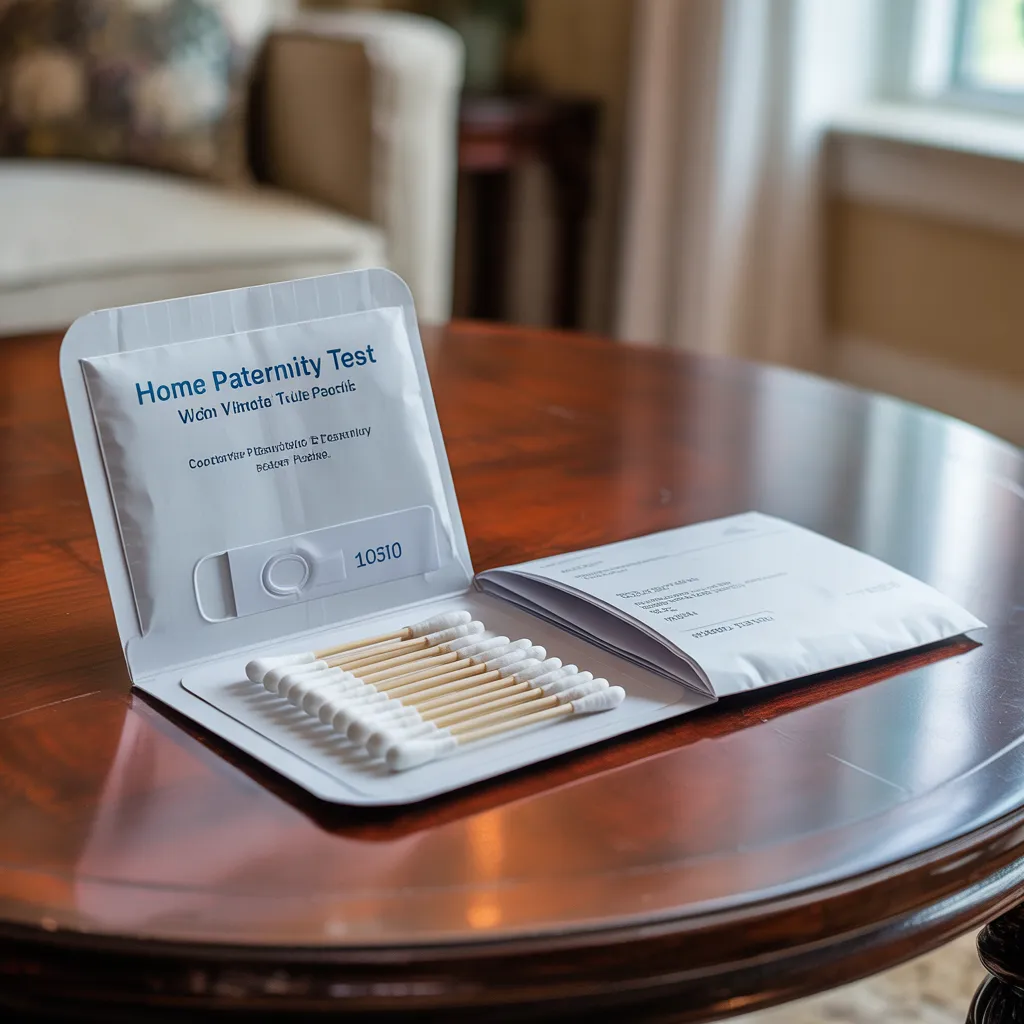
Understanding How Home Paternity Tests Work
Home paternity tests simplify the process of determining genetic connections through a convenient approach. Typically, these tests involve collecting DNA samples from the parties in question, typically using buccal swabs. Individuals follow the supplied directions to guarantee proper sample collection and handling. After the samples are collected, they are sent to a certified lab learn the facts for analysis.
Within the laboratory, DNA is isolated and analyzed to determine genetic relationships. The analysis process utilizes cutting-edge methods to pinpoint markers that suggest a biological relationship. Results are usually available within a short timeframe, offering answers to people searching for confirmation of parenthood.
Although home paternity tests provide convenience and discretion, it is essential for users to understand that these tests are designed for informational use and may not hold legal standing. People seeking official results for legal purposes may need to obtain accredited testing from certified facilities.
The Key Benefits of At-Home Paternity Testing
What makes a home paternity test? Most people are drawn to the ease and discretion that these tests present. At-home paternity testing enables discrete specimen collection, typically requiring simple cheek swabs, which can be completed in the absence of a healthcare professional. This level of accessibility allows people for people to get findings at a comfortable pace and in a private and familiar space.
Furthermore, home tests are frequently less expensive relative to laboratory tests, making them a desirable option for those on a budget. The turnaround time for results is typically more rapid, typically yielding answers within several days.
Additionally, these tests can alleviate emotional uncertainty by providing clarity on paternity matters, which can be vital for both personal relationships and legal situations. All in all, at-home paternity tests offer a reliable solution for individuals in search of answers while avoiding the complexities of formal testing facilities.
The Pitfalls of Home-Based Paternity Testing
While the convenience of home paternity testing is appealing, significant concerns should not be ignored. One major issue relates to the precision of the findings. Home testing kits do not always meet the strict standards maintained by professional laboratories, leading to false positives or negatives. Furthermore, incorrect sample gathering can undermine the accuracy of the findings, since contamination or poor handling practices may distort the outcomes.
Another concern relates to the privacy and security of personal data. Many home testing kits require users to submit personal information, which may be susceptible to breaches or unauthorized use. In addition, individuals may face unexpected emotional consequences, as results can lead to family conflicts or distress.
In closing, the potential legal consequences of home testing should be kept in mind. Findings from these tests might not be recognized in legal proceedings, diminishing their usefulness in legal matters. In summary, while home paternity testing delivers practicality, the accompanying concerns deserve thoughtful evaluation.
Emotional and Legal Considerations of Paternity Testing
Comprehending the psychological and legal aspects of paternity testing is important for those thinking about a home-based test. The psychological aftermath from uncovering unexpected results can be profound, influencing family bonds between parents, children, and relatives. People should be ready for potential feelings of anger, anxiety, or confusion that could result from the paternity test findings.
In legal terms, the ramifications can also be significant. The findings from a home paternity test might not hold up in court, potentially complicating custody or child support disputes. As a result, individuals thinking about these tests should seek legal counsel to fully understand their rights and options. Additionally, confirmed paternity may result in responsibilities related to child support and inheritance, presenting yet another level of complication. At the end of the day, a thorough understanding of both the emotional and legal dimensions is vital for effectively managing the possible consequences of paternity testing.
Is a Home Paternity Test Right for You?
Deciding if a home paternity test is suitable requires thoughtful evaluation of several key factors. People considering this choice are advised to reflect on their intentions, as the emotional impact can be considerable. Home testing provides both convenience and discretion, but it does not carry the legal validity of professional lab tests, which are commonly mandated in legal matters involving custody or financial support.
Furthermore, accuracy remains a critical aspect to evaluate; while many home tests are reliable, variations in results can happen. Individuals should also weigh the potential impact on family dynamics, as findings can produce unforeseen outcomes. Moreover, the cost-effectiveness of home tests should be assessed against the likely necessity of additional professional testing.
At the end of the day, a thoughtful evaluation of personal circumstances, one's emotional state, and long-term consequences is crucial. Speaking with a specialist may provide further clarity, allowing individuals to make a well-informed choice about whether a at-home paternity test aligns with their needs.
Frequently Asked Questions
How Accurate Are Home Paternity Tests Compared to Lab Tests?
Home paternity tests generally provide accuracy rates exceeding 95%, on par with lab tests. However, elements such as specimen quality and examination procedures could impact the outcome. For definitive answers, professional lab testing remains the gold standard.
Is the Privacy of Home Paternity Test Results Reliable?
Trust in the confidentiality of home paternity test results varies by company. Trustworthy providers apply robust confidentiality measures, but individuals should review policies and user reviews to ensure private data stays secure throughout the process.
What Is the Price Range for Home Paternity Tests?
At-home paternity tests usually range from $100 to $500, depending on the provider and the complexity of the test. Extra charges may apply for rush results or specialized testing options, impacting the overall expense.
How Long Does It Take to Get Results From a Home Test?
Results from a home paternity test usually take anywhere from three to seven days. Certain laboratories can offer accelerated testing options, providing results in as few as one to two days, depending on how quickly the laboratory processes samples.
Is Home Paternity Testing Legal in Every State?
At-home paternity tests are typically legal across all states; however, particular rules and requirements can differ. It is important for individuals to review local laws and ensure adherence to any required legal procedures before moving forward.